
MADE TO FIT. PRINTED TO BE YOURS.
Custom Bread Boxes
Custom bread packaging boxes sized around the wrapped loaf, with room for the chosen packing method and printed bakery branding. Compare the finished pack before setting your order quantity.
Measure the complete loaf with any primary wrapping, including its widest crust and full height. Share how it is displayed and carried.
Choose your dimensions, material and finish below. Share your product details so our team can prepare a quotation for the right construction and print requirements.
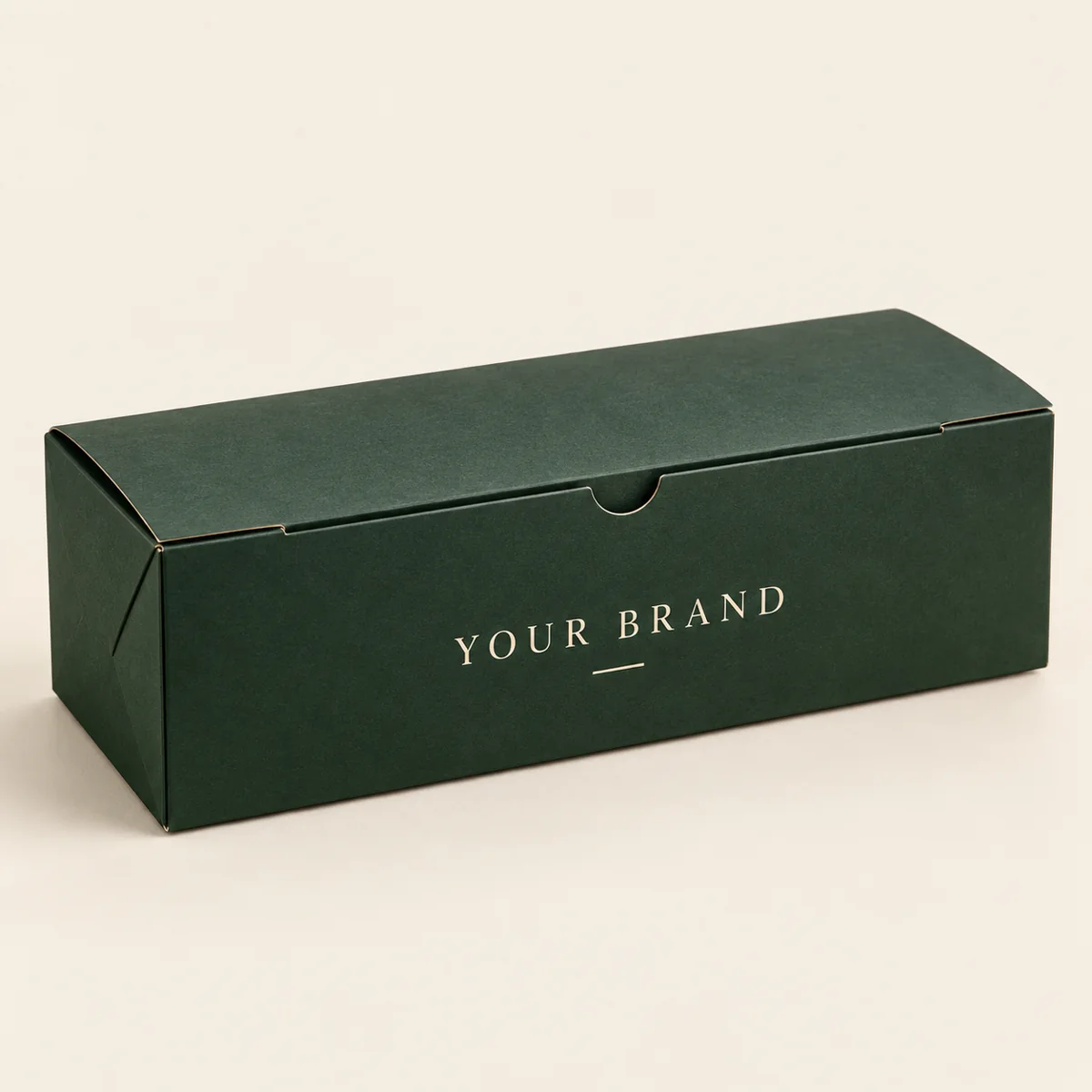
Bread Boxes
Made around your brand.
Packaging visualization. Final artwork, materials and construction are agreed with your quotation.
LET’S SHAPE YOUR PACKAGING
Get your bread boxes quote.
Share your requirements below. Need help with a detail? Leave a note for our team.
Sign in or create an account to track this request and chat with our team. You can also submit as a guest.
PACKAGING THAT WORKS FOR YOUR PRODUCT
Bread Boxes
With every detail considered.
Custom printed bread boxes for bakery presentation
Bread packaging should suit the complete loaf and the way a bakery sells it. An elongated carton can present a wrapped loaf, while smaller formats may suit individual portions. Custom printed bread boxes create room for a bakery identity and supplied product information. Begin with the finished loaf shape, including an irregular crust, rather than relying on a recipe weight or nominal loaf size.
Paperboard, wrapping and moisture requirements
Folding paperboard is a material direction to review for bread cartons. Stock, closure and surface treatment should suit the packed weight and handling. Describe any bag, liner or primary wrap used inside the box. Bread packed warm can create different moisture conditions from cooled bread, so discuss the actual packing workflow. Food-contact suitability and ventilation must be confirmed for the selected material and intended use.
Sizing around a complete loaf
Record loaf length, width and height at the widest points, with wrapping in place. Allow clearance for loading and removal so the carton does not press on the crust. Specify inside dimensions in one unit and share any display or delivery-bag limits. For several loaf sizes, provide separate measurements and order quantities rather than assuming one carton will fit every item.
Printed bread boxes and artwork planning
Place the main brand identity on an available broad surface and plan space for supplied product text or an identification label. Printing should respect the scores, tabs and closure panels. A window can be discussed where appropriate, but changes both the available print area and panel construction. Review artwork, material and final dimensions together before production.
Measure a wrapped loaf, not only the bread
Record the loaf at the point it will be packed, including its paper or bag, and identify the intended orientation. A tall loaf and a long baguette require different opening and loading clearances. Explain whether staff pack one loaf at a time or prepare several orders together. Review a sample with the wrapped product so corners, seams and the closure do not press unnecessarily against it. The selected stock and any direct contact need review for the actual use.
Plan bread packaging by format and order frequency
Separate quantities for sandwich loaves, artisan bread and mixed bakery orders. Include the artwork version, any label area, the destination ZIP code and when stock is needed. Compare the amount of packaging stored with your packing routine rather than ordering by unit price alone. Confirm supply format, material, print coverage and delivery terms in the quote; a smaller trial and a repeat order can have different setup requirements.
Prepare your packaging quotation.
Describe whether bread is packed warm, its wrapping and moisture exposure. Food-contact suitability and ventilation need confirmation for the actual material.
Share inside dimensions, quantity, artwork versions and your delivery destination. Tell us about the filled product, any inserts and the packing method. If a specification is still undecided, describe the requirement so it can be reviewed with your quotation.
Request your bread boxes quote ↗Explore materials and box structures.
Compare packaging materials and finishes with the available box styles. A material, finish and structure need to work together around your product and its journey.
Useful guides and related packaging.
PLAN YOUR PACKAGING
Choose a bread carton around the wrapped loaf
Compare the full primary wrap and loaf profile with the intended opening. A carton for one loaf and a mixed bakery presentation need different layout checks.
A folding carton for the loaf
Show the widest loaf section, full length and folded wrapping ends. Review loading direction and closure with the packed loaf so the fit does not depend on compressing the bread or its wrap. Review folding carton structures.
A view of the wrapped product
Identify the area customers should see and which parts remain covered by the primary wrap. Review the window with the usable print panels and chosen stock; visibility does not establish a moisture or freshness barrier. Compare window presentation boxes.
Bread with other bakery items
For a mixed order, show the arrangement with all liners and separate packs included. Compare a broader pastry format when individual pieces need a different opening or footprint from a single wrapped loaf. Explore mixed bakery layouts.
Consider the construction.
An elongated folding carton can be planned around a wrapped loaf, with closure and stock selected for the packed weight.
Find the right fit.
Measure the complete loaf with any primary wrapping, including its widest crust and full height. Share how it is displayed and carried.
Make the details count.
Describe whether bread is packed warm, its wrapping and moisture exposure. Food-contact suitability and ventilation need confirmation for the actual material.
THE DETAILS THAT MATTER
A box with
a clear brief.
Start with your product and its journey. Final construction, pricing and availability depend on the project.
- Box structure
- An elongated folding carton can be planned around a wrapped loaf, with closure and stock selected for the packed weight.
- Sizing
- Custom inside length × width × height, in inches, millimeters or centimeters.
- Material direction
- Board and surface options reviewed against your product, structure and printing needs.
- Printing & finishes
- Logo, exterior or interior artwork and compatible finish options, subject to specification.
- Artwork
- Attach PDF, JPG or PNG to your quote, or describe the design support you need.
- Shipping protection
- Review packed weight, inserts and delivery conditions. An outer carton may be needed.
BEFORE YOU BEGIN
A few helpful answers.
Not sure about a detail? Select “Need guidance” in your enquiry.
Should the loaf be wrapped inside the box?
Describe the primary wrapping or liner you use. Direct contact, moisture and handling requirements should be reviewed against the selected stock; the outer carton alone does not establish a storage barrier.
What should I include in my quote request?
Share inside dimensions, quantity, packed product details, delivery destination and your preferred material and finish. Attach a reference or artwork where available.
How are pricing and timing confirmed?
Pricing and schedules depend on the agreed specification, quantity, artwork and destination. Confirm final terms before placing an order.
What affects the cost of custom bread boxes?
Pricing depends on inside dimensions, material, construction, quantity, artwork versions, inserts, print coverage and delivery destination. Share the complete project details for a quotation.
What should I check before approving the packaging?
Check the fit, opening, loading clearance, supplied text and artwork layout. Review any window or insert alongside the agreed material and confirm the final specification before production.
Can one bread box fit several loaf sizes?
It may, but review every wrapped loaf in the proposed box. A shared size can leave too much movement for a smaller loaf or compress a larger one; the sample and packing method decide whether an insert or separate size is appropriate.
COMPARE YOUR OPTIONS
Another way to package it.
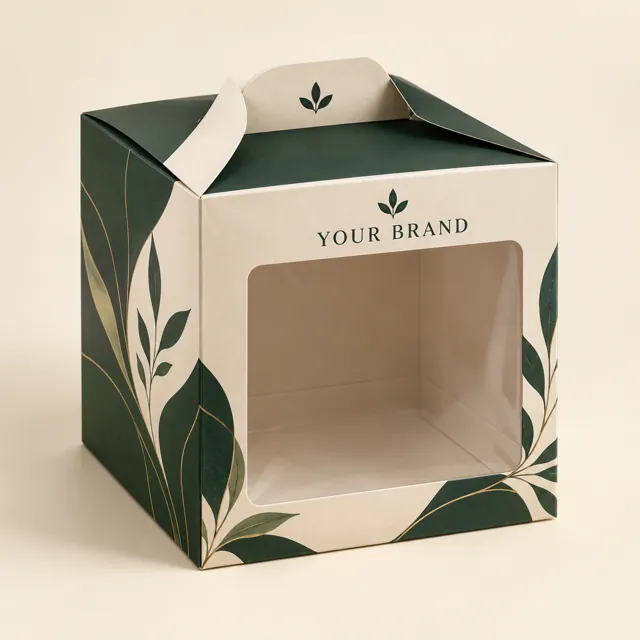
Cake Boxes
Custom cake boxes designed around the cake board, frosting and decorations. Compare carton height, opening and printed bakery branding before requesting a quote.
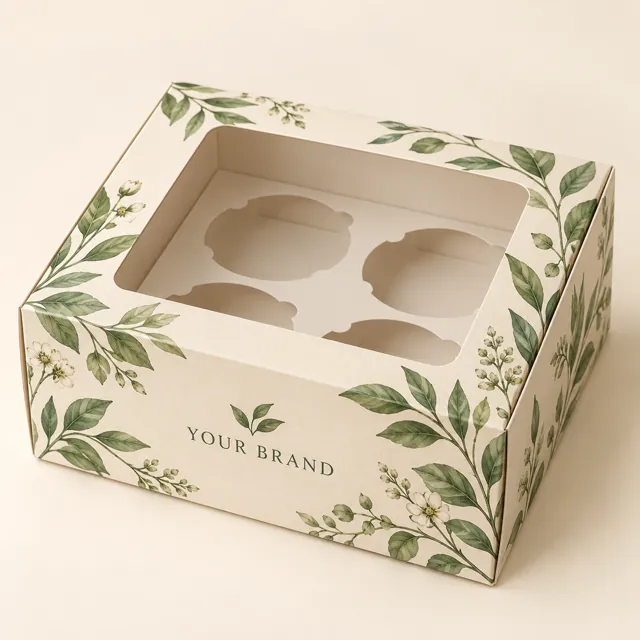
Cupcake Boxes
Custom cupcake boxes with layouts planned around cupcake bases, inserts and frosting height. Compare pack counts and printed bakery branding for your next quote.
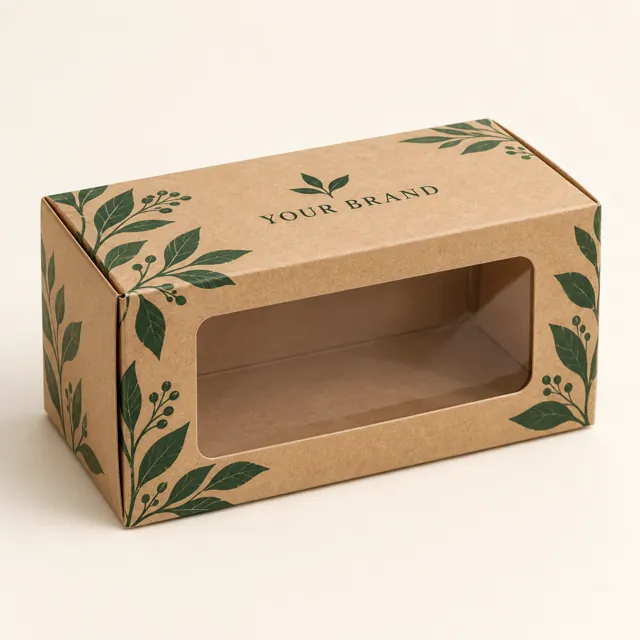
Cookie Boxes
Custom cookie boxes for single cookies, assortments and gift sets. Plan the arrangement, wrapping and printed design around your bakery product.